Home » CULTURAL EXPERIENCES IN BWINDI IMPENETRABLE NATIONAL PARK
CULTURAL EXPERIENCES IN BWINDI IMPENETRABLE NATIONAL PARK
Are you interested in understanding the ways of life of the local people who live in and around the Bwindi Impenetrable Forest National Park? Then, join us for the best cultural experiences in Bwindi Impenetrable National Park that will offer you the best glimpse into the ways of life of the local people during Uganda safaris!
Tucked into the hills of southwestern Uganda, Bwindi Impenetrable National Park is a UNESCO World Heritage Site that most people know for one thing: gorillas.
Nearly half of the world’s mountain gorillas live here, and yes, trekking to see them is unforgettable.
But there’s another side to Bwindi that doesn’t get enough credit — the people who’ve called this forest home for generations.
Spend time with the Batwa and Bakiga communities and you’ll get something you can’t get from a wildlife sighting alone.
It’s the stories, the dances, the way someone shows you how to weave a basket or laugh while teaching you to taste banana beer you helped brew.
These aren’t staged shows. The Batwa, often called the “Keepers of the Forest,” lived as hunter-gatherers in Bwindi for centuries before it became a park. Their history is tied to every trail and tree here.
The Bakiga, who farm the steep hills around the forest, have their own rhythms — planting, harvesting, songs that mark the seasons. You can join a village walk, sit by a fire for storytelling, or try your hand at making crafts.
The Batwa Cultural Experience is a big one. You’ll walk with Batwa guides through the forest they know intimately, see how they used plants for medicine, made fire, and hunted.
It’s eye-opening, and sometimes heavy. Their relocation from the forest was complicated and painful, and hearing it from them matters.
What I like is that these visits actually do something. Most tours run $15–$50 per person, so they’re not budget-breakers. And that money goes straight to community projects — schools, clinics, craft cooperatives.
You’re not just taking photos. You’re helping make sure these traditions don’t disappear.
Bwindi gives you both: the raw thrill of locking eyes with a gorilla in the mist, and the quiet, human moment of sharing a meal or a dance with the people who’ve lived alongside them.
One without the other feels incomplete. If you’re coming this far for the wildlife, carve out a day to meet the neighbors. You’ll leave with more than just a good story.
This article explores the heart of Bwindi National Park’s cultural offerings, detailing key experiences, practical tips, and their impact on local residents.
About Bwindi Impenetrable National Park
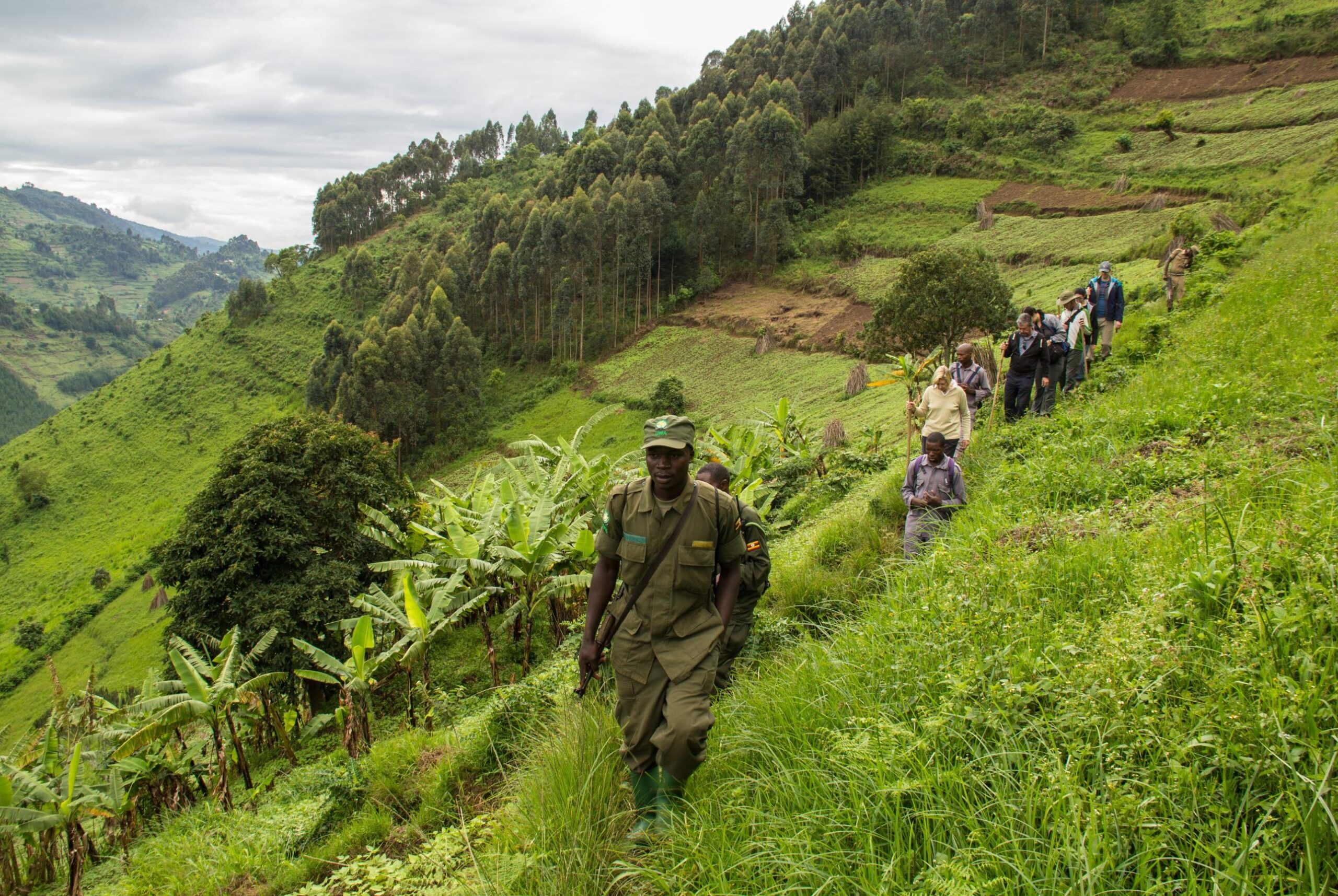
Bwindi Impenetrable National Park sits in Uganda’s southwest corner, right where the country bumps up against Congo and Rwanda.
It’s 321 square kilometers of thick, old rainforest — the kind that feels like it’s been there forever. UNESCO named it a World Heritage Site back in 1994, and once you’re under that canopy, you get why.
The forest is ridiculous with life. We’re talking 120+ mammal species — mountain gorillas, obviously, but also chimps, forest elephants, and a bunch of animals you’ll probably only hear moving through the undergrowth.
Birders lose their minds here: 350 species, with 23 you won’t find outside the Albertine Rift. The African green broadbill is the celebrity, but there are plenty of others.
Then add 220 types of trees, 100 kinds of ferns, 200 butterfly species… It’s a lot. It’s not just green but also busy.
The park was officially created in 1991 to protect the gorillas. That’s the conservation win. The harder part is that the Batwa people, who’d lived as hunter-gatherers in this forest for thousands of years, were moved out.
That history is complicated and still felt today. Now Bwindi walks a line — it’s a global model for conservation and gorilla tourism, but it’s also trying to make sure the people who were displaced aren’t left behind.
You’ll enter through one of four sectors: Buhoma, Nkuringo, Rushaga, or Ruhija. Each has its own trails, its own feel, and its own gorilla families.
The terrain is no joke — steep hills, elevations from 1,160 up to 2,607 meters, rivers like the Ishasha and Munyaga cutting through.
Mornings start with mist clinging to the hillsides. It’s moody, quiet, and honestly a little unreal.
What makes Bwindi different from just a wildlife park is the people around it. The Batwa and Bakiga communities are tied to this forest in ways that go way back.
Tourism here isn’t just about gorilla permits. A chunk of that money funds schools, clinics, and projects in nearby villages.
So when you visit, you’re part of that — for better or worse, tourism is one of the main things keeping both the forest and the surrounding communities going.
Bwindi isn’t just a place to tick gorillas off a list. It’s where wildlife, forest, and human history crash into each other.
You can trek through ancient trees in the morning and sit with Batwa elders sharing stories by a fire in the afternoon.
It’s messy, beautiful, and worth slowing down for. If you want to understand a piece of Africa that’s both wild and deeply human, this is it.
Places to Visit During Cultural Experiences in Bwindi Forest National Park
Cultural Experiences in Bwindi Impenetrable National Park take you to vibrant communities across its sectors, each offering unique insights into local life. These are the key places to explore:
Buhoma Sector
Buhoma sits at the northern edge of Bwindi, and it’s usually the busiest entry point — for good reason.
You can trek gorillas in the morning and still have time for people in the afternoon. The Buhoma Village Walk gets you out of the lodge bubble and into the Bakiga and Batwa communities.
You’ll wander past traditional huts, stop by places like the Bwindi Community Hospital to see how tourism actually helps, and watch artisans carving wood or working with fabric.
No glass cases here — you can talk, ask questions, buy something direct.
The Batwa Cultural Experience is based just outside the park. Batwa guides take you into a small patch of forest and show you how they used to live: making fire, setting traps, using plants as medicine.
It’s not a reenactment. It’s them, sharing what their grandparents taught them.
Nkuringo Sector
Nkuringo is up on the hills, and the views are unreal — you’re literally looking into DR Congo with the Virunga volcanoes lined up on the horizon.
The Nkuringo Cultural Centre and the local conservation foundation run most of the cultural stuff here.
They’ve set up craft shops and dance performances, but the money actually goes back to the villages.
You can meet traditional healers, watch a blacksmith work, or visit a Batwa homestead.
It feels less touristy because Nkuringo itself is harder to reach. Fewer crowds, more time to talk.
Rushaga Sector
Down south in Rushaga, the Buniga Forest Walk is worth doing.
It’s not inside Bwindi, but the forest feels the same — thick, green, loud with birds. Batwa guides lead the walk, and you’ll end up in their village for demonstrations: how they hunted, how they built shelters, what the forest meant day-to-day.
Nearby, Rubuguri Village is small but welcoming. People are proud of their crafts and quick to invite you in. It’s low-key, and that’s the charm.
Ruhija Sector
Ruhija, on the eastern side, is quieter than Buhoma or Rushaga. The village walks here mix culture with everyday life.
You might drop into a local school, meet a healer, or walk through banana plantations — especially nice to do after you’ve come down from a tough gorilla trek.
The Nyundo Community Eco-Trails are a good add-on. Locals are planting trees to push back against climate change, and the trail loops past King Bakyara’s Waterfall.
You get the views, and you see what the community’s doing to protect their land.
Every sector has its own flavor, but the thread is the same: you’re meeting people, not just passing through. You learn something real, they earn something real, and Bwindi feels less like a park and more like a place where people and forest still figure each other out.
Fun Activities Done During Cultural Experiences in Bwindi National Park
Cultural experiences in Bwindi Impenetrable National Park are packed with hands-on activities that bring the traditions of the Batwa and Bakiga to life. This is what you can expect:
Batwa Cultural Experience
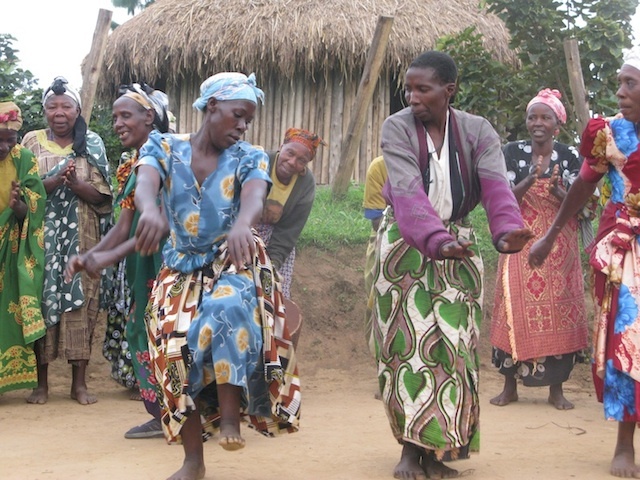
This one hits different. You walk into the forest with Batwa guides — people whose grandparents actually lived here full-time.
They’ll show you how they used to hunt with a bow, track honey in hollow trees, or pick out plants that work as medicine.
You might try starting a fire without matches, see how they built shelters up in trees, or even shoot a bow yourself.
Then there’s the music: drumming, dancing, old songs that carry stories from when the forest was their home. It’s fun, but it’s not a performance for show — it’s how they pass history down.
The village part is quieter. You’ll sit with elders in traditional huts, hear legends about the forest, and get a sense of what “connection to the land” actually means when your survival depended on it.
Buhoma Village Walk
Buhoma isn’t just a launchpad for gorilla treks. Take the village walk, and you’ll meet artisans weaving baskets, carving wood, or dyeing fabric.
People here brew banana beer, and yes, they’ll let you help and taste it. It’s sweet, a little funky, and way stronger than it looks.
The walk also loops through real community projects — Mukono Primary School, the maize mill — so you see where tourism money actually goes.
If you’re curious about local medicine, you can sit with a traditional healer. They’ll pull herbs from a bag and tell you what treats fevers or stomach aches. It’s not a replacement for a clinic, but it’s how folks managed for generations.
Nkuringo Community Walk
Nkuringo sits up high with those ridiculous views into DR Congo. Find Nicholas the blacksmith and watch him work. He’s basically using Stone Age principles to make tools people still use today — hammers, hoes, pieces that last.
The Cultural Centre is hands-on: you might pound millet, learn a drum rhythm, or try weaving.
There’s also an orphanage nearby. The kids usually greet visitors with dances and stories. It’s not a guilt trip — your visit helps keep the place running.
Buniga Forest Walk
This one blends nature and people. You hike through Buniga Forest with Batwa guides who point out medicinal plants and animal tracks you’d walk right past.
The forest feels like Bwindi’s little sibling — same dense, green energy. The trail ends at a Batwa village where things get lively: dancing, storytelling, maybe a demo of how they used to hunt.
You also hear how the Nkuringo Community Conservation group uses your fees to protect the forest and support families.
Nyundo Community Eco-Trails
Over in Ruhija, Nyundo keeps it grounded. You’ll walk past gardens of millet and bananas, and someone might show you how to make yogurt or millet bread the old way.
King Bakyara’s Waterfall Trail is the scenic bit — cool spray, good photos — but the guides will thread in stories about the land as you go.
The big thing here is reforestation. The community is replanting trees to pull back the mist and rain that climate change has been messing with. You see seedlings, you hear why it matters, and it stops being abstract.
Because Bwindi isn’t just gorillas. These walks and visits drop you into real lives. You’ll learn something, laugh at your own bad weaving, and maybe get a little dusty.
And the $20 or $30 you spend doesn’t vanish — it pays school fees, buys medicine, keeps traditions alive.
You come for the wildlife, but these are the moments you’ll actually talk about later.
Things to See During Cultural Experiences in Bwindi Impenetrable Forest National Park
Cultural visits in Bwindi aren’t just about people — the forest keeps showing up, too. Here’s what tends to stick with travelers:
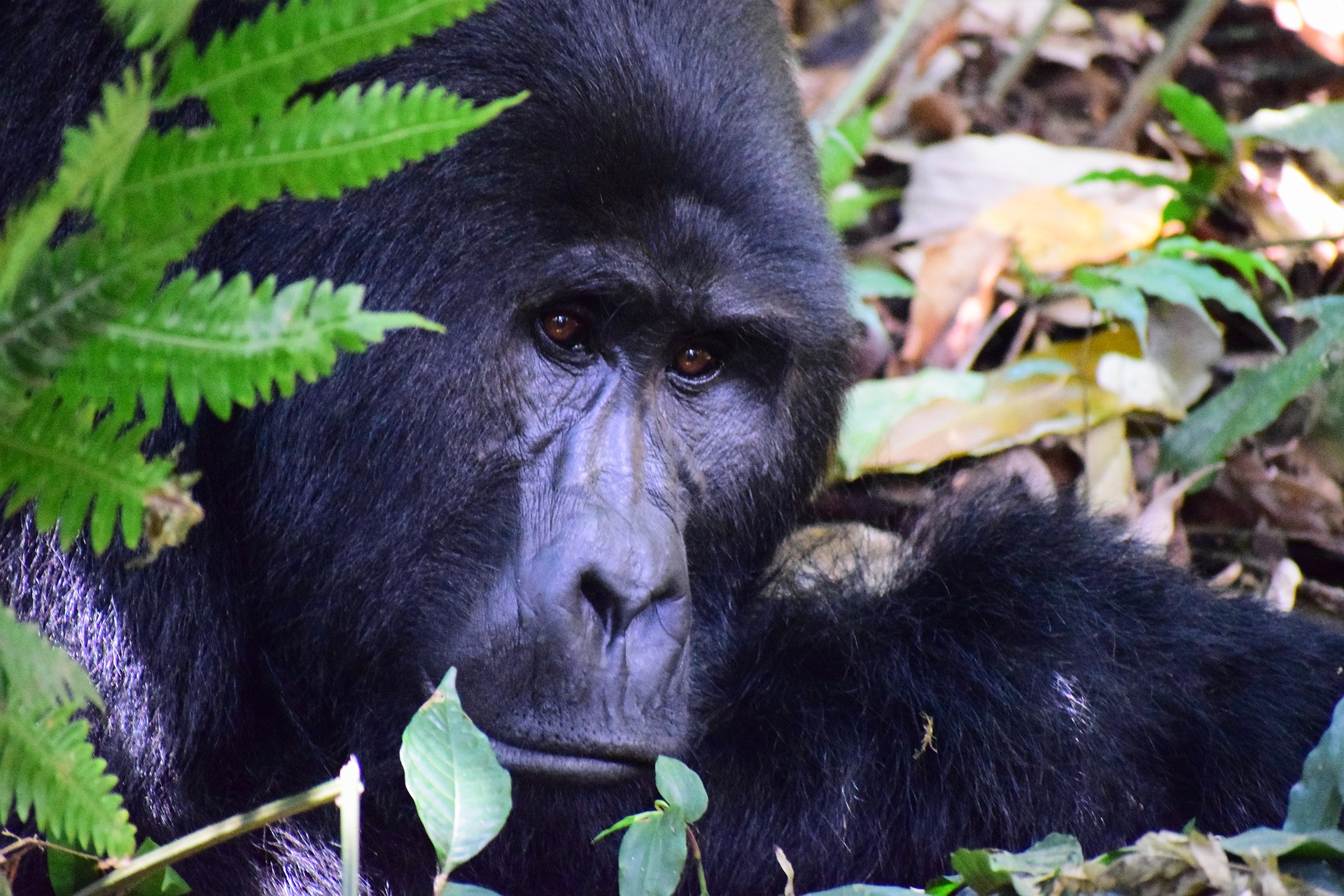
You’re not on a trek, but don’t be shocked if you spot them. Batwa villages and the Buniga Forest Walk run right up against gorilla territory. Guides will tell you stories about how the Batwa used to live alongside them — tracking them, avoiding them, respecting them. Seeing a black shape move through the trees nearby makes those stories real.
Other wildlife: Keep your eyes open on village walks or Batwa trails. Forest elephants leave huge footprints, bush pigs snuffle through the undergrowth, and if you’re ridiculously lucky, you might glimpse an African golden cat. With 120 mammal species in the park — including chimps and 10 other primates — something’s usually moving nearby.
Birds: Bwindi’s a birder’s dream, and you don’t need binoculars the size of telescopes. On the Nyundo Eco-Trails or in Buniga Forest, you’ll hear them before you see them. Look for Albertine Rift specials like the African green broadbill, Ross’s turaco, flashing blue, or Shelley’s crimsonwing. Even if you’re not into birds, the noise alone is worth it.
Batwa huts and tree shelters: The grass-thatched huts are small, simple, and built to be temporary. That was the point — the Batwa moved with the forest. Seeing them, you get why “home” meant something different here.
Crafts, not souvenirs: In village craft shops, you’ll find baskets tight enough to hold water, wood carvings, and colorful fabrics. Watch someone weave or carve, and you realize how much work goes into it. Your lopsided basket attempt will make you buy one.
Community projects that work: Stop by Bwindi Community Hospital, a local school, or the maize mill. It’s not glamorous, but it shows where your permit and tour fees go. Kids in uniforms, nurses on shift — that’s tourism doing something tangible.
Plants that heal: Traditional healers don’t have pharmacies. They have the forest. They’ll crush a leaf, point to a bark, and tell you what it cures. The Batwa know this place like a living medicine cabinet.
The views: Nyundo’s trails run past hillsides, swampy valleys, and waterfalls like King Bakyara’s. You’ll stop walking just to take it in. Mist hanging in the trees, terraced farms, distant volcanoes — it’s the kind of scenery that makes you quiet.
Dances and songs: Batwa and Bakiga performances aren’t dinner theater. The drums start, people move, and the songs carry old stories — hunting, harvests, loss, humor. The costumes are bright, but the emotions are real. You’ll probably get pulled in.
Farm life: Banana plantations, millet grinding stones, three-legged cooking pots over a fire. The Bakiga will show you how they farm these steep hills. Try pounding millet and you’ll gain new respect for breakfast.
Batwa villages today: These aren’t museum sets. They’re where people live now. You’ll see hunting tools, communal spaces, and hear straight from elders what it meant to leave the forest — and what it means to keep the culture alive outside it.
One minute you’re watching a bird you can’t pronounce, the next you’re tasting banana beer or listening to a story about elephants. That’s Bwindi. The wildlife and the people aren’t separate attractions. They’ve been tangled together for centuries, and that’s what makes a visit stick with you.
Other Safari Activities in Bwindi Impenetrable National Park Besides Cultural Experiences
Cultural visits are amazing, but Bwindi’s also packed with stuff to do if you want wildlife, exercise, or just more time in the forest. Here’s what people actually book:
Gorilla Trekking
This is the big one. You head out with rangers at dawn and hike through the forest until you find one of the habituated gorilla families.
It can take an hour, it can take eight — depends on where they are that day. But the success rate’s around 95%, so your odds are good.
You can trek in Buhoma, Nkuringo, Rushaga, or Ruhija. Permits are $800 per person, and you need to book them early through Uganda Wildlife Authority or a tour operator.
They sell out. June–September and December–February are best because the trails aren’t as muddy and you’re less likely to spend the day soaked.
Gorilla Habituation Experience
If one hour with gorillas feels too short, this is the next level. You spend four hours with a gorilla family that’s still getting used to people, tagging along with researchers.
It’s only offered in Bwindi, groups are tiny — just four people — and it costs $1,500.
You’ll see way more natural behavior: feeding, interacting, and the little social dramas.
Hard to book, but worth it if you’re obsessed with gorillas. Same dry seasons apply: June–Sept, Dec–Feb.
Birding
Bwindi has over 350 bird species, and 23 of them you won’t find outside the Albertine Rift.
The African green broadbill is the trophy, but Ross’s turaco and Shelley’s crimsonwing are stunning too. Mubwindi Swamp in Ruhija is the hotspot most guides will take you to.
You don’t need to be a hardcore birder — the colors and calls are enough to make anyone stop and stare.
Guided walks run about $30–$50. Dry season is easier, so aim for June–September.
Butterfly Watching
220 butterfly species here, with 42 that only exist in the Albertine Rift. If you like small, flashy things, this is for you.
The cream-banded swallowtail is a favorite. Most nature walks include butterfly spotting, and guides know where to look.
Expect to pay $20–$40 if it’s a dedicated walk. Best conditions are June–Sept or Dec–Feb when the trails are dry, and the butterflies are out.
Mountain Biking
Want to swap hiking boots for wheels? You can mountain bike trails around Bwindi and through villages like Rubuguri.
It’s part workout, part cultural tour — you’ll pass farms, kids will wave, you’ll probably stop for a chat. Rentals and guides go for $25–$50.
Dry months are key unless you enjoy sliding through mud. June–Sept and Dec–Feb are your windows.
NB: Cultural tours give you the people side of Bwindi. These activities give you the wild side. Mix them, and you get the full picture — gorillas in the morning, village walks in the afternoon, birds and butterflies in between. That’s how you leave feeling like you actually know Bwindi, not just that you passed through.
Guidelines to Follow During Cultural Experiences in Bwindi National Park
To ensure a respectful and enjoyable experience, follow these guidelines during Cultural Experiences in Bwindi Impenetrable National Park:
- Respect Local Culture: Dress modestly and ask permission before taking photos of locals or their homes.
- Engage Thoughtfully: Listen to Batwa and Bakiga stories with respect, avoiding intrusive questions about sensitive topics like displacement.
- Support Local Artisans: Purchase crafts directly from local artisans to ensure profits benefit the community.
- Follow Guide Instructions: Stay with your guide during village walks or Batwa trails to respect private spaces and ensure safety.
- Environmental Responsibility: Avoid littering in the forest or villages to protect the natural habitat and support sustainability.
- Health Precautions: Avoid visiting if you have contagious illnesses, as local communities may be vulnerable.
- Tipping Etiquette: Offer tips to guides or performers to show appreciation, typically $5–$10 per person for exceptional service.
These guidelines foster mutual respect and enhance the cultural experience for both visitors and locals.
Top-Rated Accommodation to Stay at During Cultural Experiences in Bwindi Forest NP
Bwindi Impenetrable National Park offers a range of accommodations, from budget to luxury, catering to cultural visitors. Below are the top options across sectors:
Buhoma Sector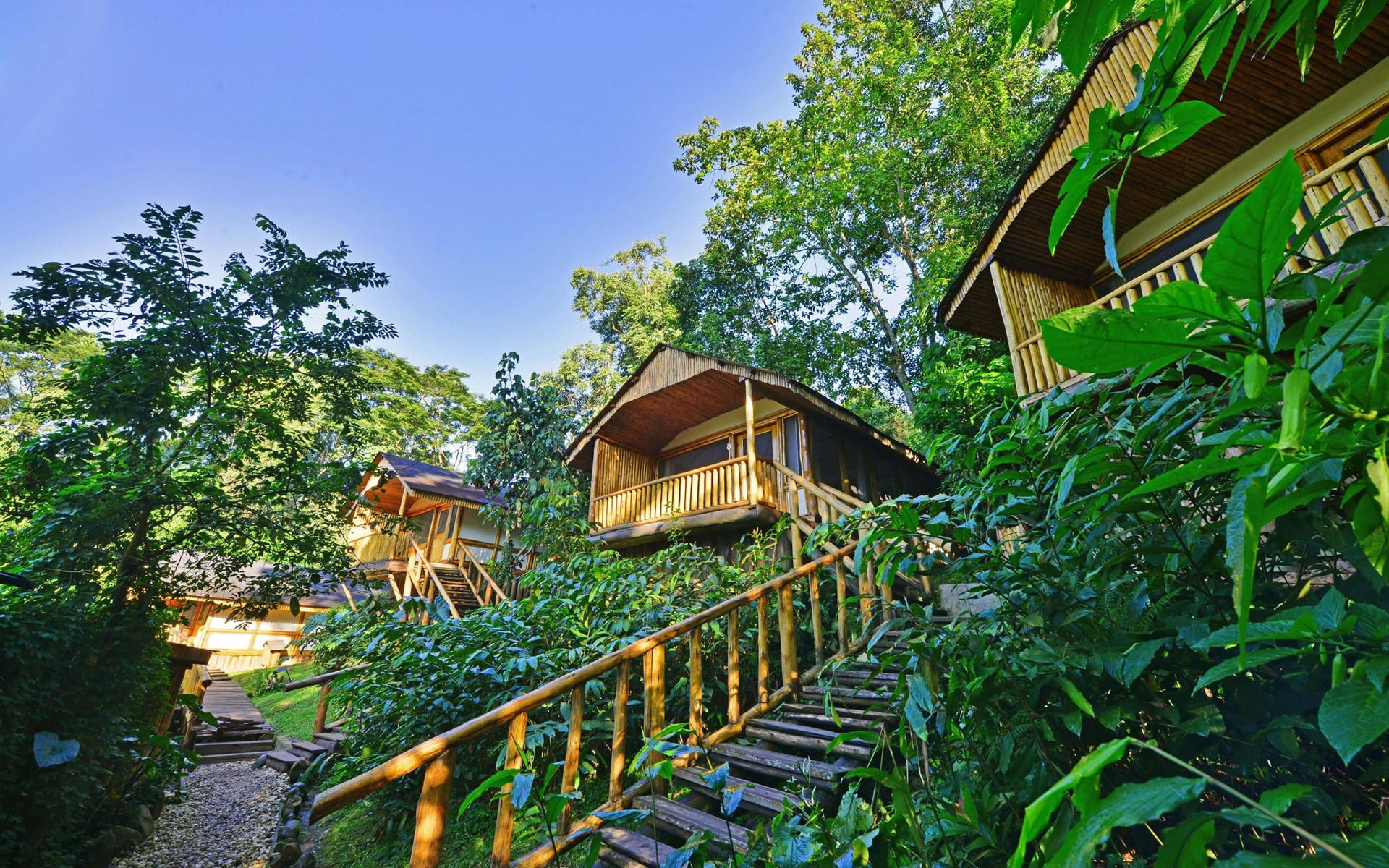
- Buhoma Lodge: A luxury option inside the park with 10 cottages offering forest views. Rates: $330–$445 per person (full board). Ideal for gorilla trekking and Buhoma Village Walk.
- Buhoma Community Rest Camp: Budget-friendly with safari tents and cottages. Rates: $30–$115 per person. Features a craft shop and community engagement.
- Sanctuary Gorilla Forest Camp: Luxury tents with sedan chairs for mobility-impaired guests. Rates: $350–$655 per person (full board).
Nkuringo Sector
- Nkuringo Bwindi Gorilla Lodge: Mid-range lodge with stunning Congo views. Rates: $205–$325 per person. Close to Nkuringo Cultural Centre.
- Clouds Mountain Gorilla Lodge: Luxury with panoramic vistas. Rates: $400–$700 per person, ideal for Nkuringo Community Walk.
Rushaga Sector
- Ichumbi Gorilla Lodge: Mid-range with cozy bandas. Rates: $60–$100 per person. Perfect for Buniga Forest Walk and Rubuguri Village Walk.
- Rushaga Haven: Budget-friendly with simple rooms. Rates: $30–$60 per person, near Batwa villages.
Ruhija Sector
- Bakiga Lodge: Community-run, mid-range with eco-friendly cottages. Rates: $80–$150 per person. Great for Nyundo Community Eco-Trails.
- Broadbill Forest Camp: Budget option with basic bandas. Rates: $40–$100 per person, close to birding trails.
Book accommodations in advance through tour operators or directly with lodges to secure availability, especially during peak seasons (June, August, December).
Costs of Cultural Experiences in Bwindi National Park
Cultural Experiences in Bwindi Impenetrable National Park are affordable, with costs varying by activity:
- Batwa Cultural Experience: $40 per person (4–5 hours, Buhoma, Nkuringo, Rushaga).
- Buhoma Village Walk: $20–$30 per person (3 hours).
- Nkuringo Community Walk: $15–$25 per person (2–3 hours).
- Buniga Forest Walk: $30 per person (3–4 hours).
- Nyundo Community Eco-Trails: $20–$40 per person (2–4 hours).
- Additional Costs: Tips ($5–$10), craft purchases ($5–$20), or combined packages with gorilla trekking ($800 permit).
Proceeds support community projects like schools and healthcare, ensuring your visit benefits locals.
Best Time to Visit Bwindi Impenetrable National Park for Cultural Experiences
The best time for Cultural Experiences in Bwindi National Park is during the dry seasons: June to September and December to February. These months offer easier trails for village walks and Batwa trails, with less mud and clearer hillsides.
The wet seasons (March–May, October–November) bring lush greenery but slippery paths, which may challenge trekking or walks. Rain patterns can affect accessibility, so pack rain gear if visiting during these months.
Cultural activities are available year-round, but dry seasons enhance comfort and visibility of forest landscapes.
Booking Cultural Experiences in Bwindi National Park
To book Cultural Experiences in Bwindi Impenetrable National Park:
- Contact UWA: The Uganda Wildlife Authority in Buhoma manages Batwa Cultural Experiences and other tours. Email or visit their office for bookings.
- Tour Operators: Companies like:-
- Wild Gorilla Safaris
- Prime Safaris and Tours Ltd
- Safari Uganda Safaris
- Gorilla Safaris and Tours
- A Uganda Safari
- Africa Safaris Tours
- Uganda Birding Safaris
- Gorilla Trekking Uganda
offer packages combining cultural tours with gorilla trekking. Book in advance for peak seasons.
- Lodges: Many, like Buhoma Lodge or Nkuringo Bwindi Gorilla Lodge, arrange village walks or Batwa tours
- Permits: Not always required for cultural activities, but confirm for Batwa trails ($40 fee may apply).
Online platforms or local guides ensure seamless planning, especially for groups.
Getting to Bwindi National Park for Cultural Experiences
Bwindi Impenetrable National Park is accessible from Kampala or Entebbe:
- By Road: Drive 8–9 hours (460 km) from Kampala via Mbarara to Bwindi NP. Roads are paved until Kabale, then gravel to the park.
- By Air: Fly from Entebbe International Airport to Kihihi or Kisoro airstrips (1.5 hours), then drive 1–2 hours to Bwindi. Flights cost $200–$400 per person.
- Public Transport: Buses from Kampala to Kabale, then local taxis to Buhoma or Nkuringo are available. Less reliable but budget-friendly ($20–$50).
Hire a 4×4 vehicle for comfort, especially in wet seasons, to reach Bwindi’s rugged terrain.
What to Bring on Cultural Experiences in Bwindi Forest National Park?
Prepare for Cultural Experiences with these essentials:
- Clothing: Modest, long-sleeved shirts and trousers; a rain jacket for unpredictable rains; sturdy hiking shoes for trails.
- Gear: Insect repellent, water bottle, camera, sunscreen, and hat for sunny days.
- Health: Anti-allergy medication or personal prescriptions, as ailments may arise in the forest.
- Cash: Small bills ($5–$20) for tips or craft purchases to support local artisans.
- Respectful Attitude: A willingness to learn and engage with locals respectfully.
These items ensure comfort and respect during your cultural experience in Uganda.
Importance of Cultural Experiences in Bwindi National Park
Cultural Experiences in Bwindi Impenetrable National Park have far-reaching impacts:
SIGNIFICANCE TO LOCALS
- Economic Empowerment: Proceeds from cultural tours fund education, healthcare, and livelihoods for the Batwa and Bakiga. For example, the Batwa Development Program supports schools and clinics.
- Cultural Preservation: Sharing songs, dances, and traditions ensures the Batwa’s heritage survives despite their eviction from the forest.
- Social Inclusion: Tourism reduces stigma for the Batwa, fostering integration with Bakiga communities.
TO THE GOVERNMENT
- Revenue Generation: Tourism boosts Uganda’s economy, with Cultural Experiences complementing Uganda’s gorilla trekking income.
- Conservation Support: Funds from cultural tours aid UWA in protecting Bwindi’s biodiversity and natural habitat.
- Global Recognition: Promoting cultural tours elevates Uganda as a leader in sustainable tourism.
TO THE ENVIRONMENT
- Reforestation: Initiatives like Nyundo Community Eco-Trails restore trees, combating climate change and preserving rain patterns.
- Wildlife Protection: Community involvement in tourism reduces poaching, safeguarding gorillas and other wild animals.
- Sustainable Practices: Ethical tourism minimizes environmental impact, ensuring Bwindi Impenetrable remains pristine.
These benefits make Cultural Experiences a vital part of Bwindi’s sustainability story.
Commonly Asked Questions About Cultural Experiences in Bwindi Forest National Park
- What’s the Batwa Cultural Experience like?
It’s about a 4–5 hour walk and visit led by Batwa guides. They’ll show you how they used to live in the forest — hunting with bows, making fire, weaving, carving — plus drumming and dancing that tells their stories. It usually runs around $40 a person.
That fee actually matters: it goes straight to Batwa community projects, not just into someone’s pocket.
- Do I need a permit for the cultural tours?
Not like you do for gorilla trekking. Most village walks and cultural visits don’t need a permit at all. The Batwa trail does charge that $40 fee, but it’s not a government permit — think of it more as your contribution.
Still, double-check with Uganda Wildlife Authority or whoever booked your trip, just to be safe.
- Can I do this and see gorillas in the same trip?
Totally. In fact, that’s how most people do it. Gorilla treks are in the morning and can wipe you out. Cultural visits only take 2–5 hours, so they’re perfect for the afternoon once you’ve showered and eaten.
You can set this up in Buhoma, Nkuringo, or Rushaga. If you want it all smooth, a 4-day gorilla + culture safari covers both without feeling rushed.
- Does this actually help local people?
Yeah, and that’s the point. The money doesn’t vanish. It helps pay for schools, clinics, and gives families income. For the Batwa, especially — who were moved out of the forest when it became a park — this is one of the few ways they can earn from their own heritage.
Groups like the Nkuringo Community Conservation and Development Foundation use the fees to support artisans, widows, and orphans.
So you’re not just watching dances. You’re helping keep the community going.
- When should I go?
Dry seasons are easiest: June to September, and December to February. Trails aren’t muddy, and you won’t be drenched halfway through a village walk.
The wet months — March to May and October to November — are lush and green, and there are fewer tourists. But bring good boots, because it gets slick.
- Is it okay for kids or older folks?
Most of it, yes. Village walks, craft demos, dances — all pretty low-key and family-friendly. The Batwa trail involves some light hiking, nothing extreme, but you’ll be on uneven ground.
If you’re worried about stamina or you’ve got kids, you can hire a porter for about $15. They’ll carry your bag, lend a hand on slopes, and they’re usually local guys earning a day’s wage.
- How Do I Book a Cultural Visit?
Contact UWA, lodges like Buhoma Lodge, or tour operators like Prime Safaris and Tours Ltd. Booking in advance is recommended, especially during peak seasons.
Conclusion
Bwindi Impenetrable National Park blends Uganda gorilla trekking, wildlife, and rich Batwa-Bakiga cultural immersion. Engage in village walks, dances, and crafts to support conservation and communities. Book your safari today—experience authentic Uganda, preserve heritage, and create lifelong memories in this UNESCO gem.
What you may like
-
Pangolin Encounters in Bwindi Impenetrable National Park Uganda
Read more -
BWINDI MOUNTAIN BIKING TOURS, MOUNTAIN BIKING SAFARIS IN BWINDI IMPENETRABLE NATIONAL PARK
Read more -
HIKING AND NATURE WALKS IN BWINDI IMPENETRABLE NATIONAL PARK, BWINDI FOREST HIKE
Read more -
LAKE MUTANDA VISITS
Read more -
Gorilla Habituation Experience in Bwindi National Park
Read more -
Bird Watching in Bwindi Impenetrable National Park – Birding Safaris & Tours
Read more
Want to visit Bwindi Forest?
Want to visit Bwindi Impenetrable National Park, Uganda's best gorilla trekking destination?
