Home » TREE SPECIES IN BWINDI IMPENETRABLE FOREST NATIONAL PARK
TREE SPECIES IN BWINDI IMPENETRABLE FOREST NATIONAL PARK
If the question on your mind right now is about the types of tree species in Bwindi Impenetrable Forest National Park, then look no further than this article, which details everything you need to know to answer that question!
Tucked into the misty hills of southwestern Uganda, Bwindi Impenetrable National Park feels like a place time forgot.
People just call it “Bwindi,” but that name barely hints at what’s under the canopy. This rainforest has been standing for over 25,000 years.
It made it through the ice ages when other forests vanished, which is why everything here feels so layered, so old, so stubbornly alive.
What hits you first is the sheer variety of trees. Bwindi has more than 220 species — over half of everything you’ll find in Uganda.
The canopy is thick and tangled. You get massive hardwoods down low where it’s warmer and wet, then smaller, twisted montane trees as you climb higher. All of them matter.
They feed and shelter the park’s famous mountain gorillas, but also hundreds of birds, butterflies, and tiny creatures you’ll never see unless you stop and look.
This isn’t just a botany lesson. Those trees hold the soil, pull in the rain, and keep rivers running for people far beyond the park.
They’re also why so many travelers come here — for gorilla treks, yes, but also for quiet walks where the only sound is your boots on damp earth and something moving in the leaves.
Bwindi covers 331 square kilometers, spilling across Kanungu, Rubanda, and Kisoro districts right up against the DR Congo border.
It became a national park in 1991 and UNESCO put it on the World Heritage list in 1994. That “impenetrable” part of the name isn’t marketing.
The undergrowth is real — vines, shrubs, herbs all woven together so tight that walking off-trail is a fantasy. But that density is the point. It’s what kept loggers out and kept the forest whole.
The park climbs from 1,160 meters to 2,607 meters above sea level. That change in altitude means the temperature and rain shift fast, creating pockets of different forest types.
Most of Bwindi is Afromontane forest, which is rare in Africa, with a bit of Guineo-Congolian influence mixed in.
This mix results in biologically rich ecosystems, home to 400 plant species overall, including 100+ ferns, mosses, orchids, and the star attractions: its 200 tree species.
About Bwindi Impenetrable National Park
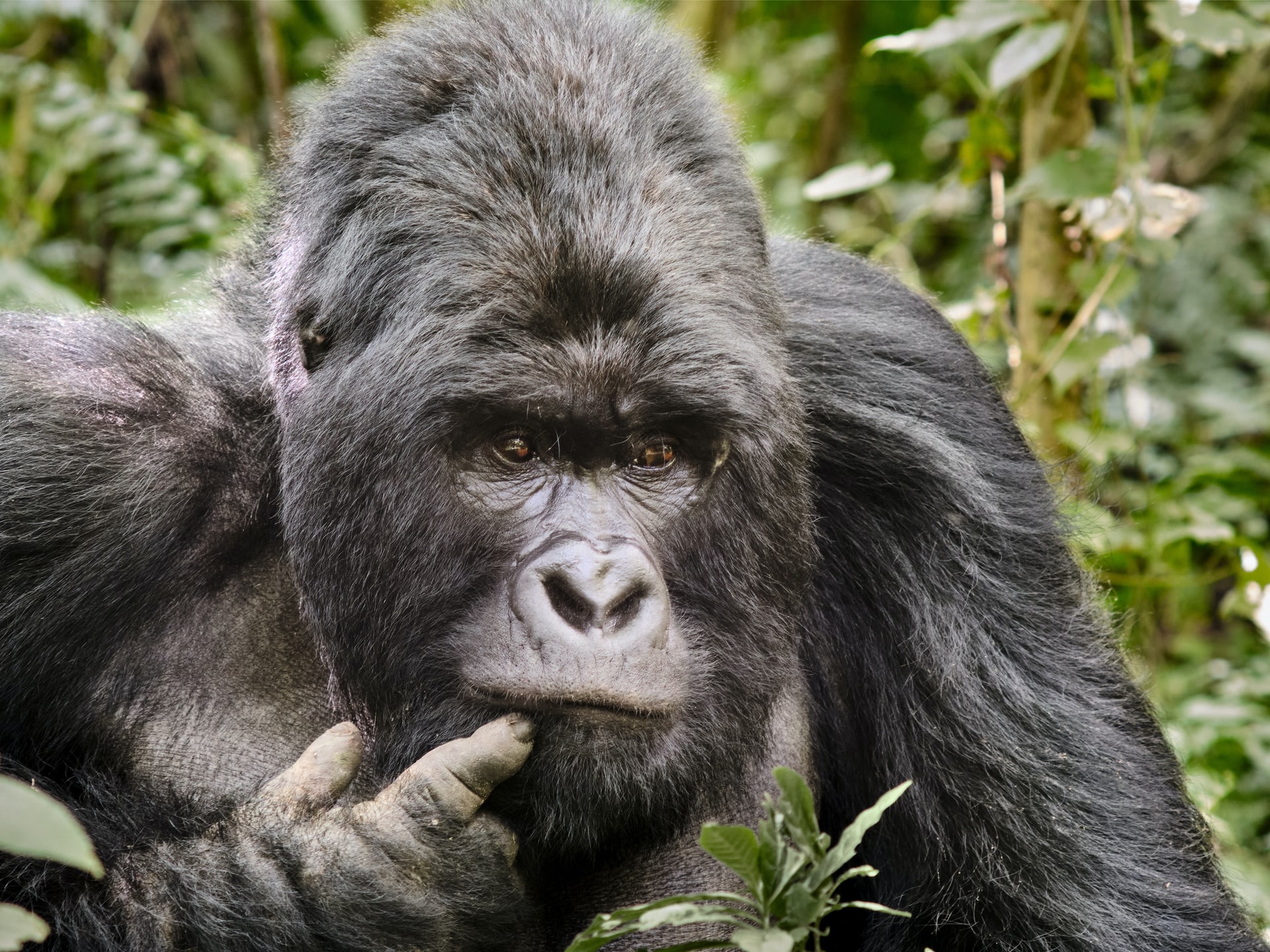
Bwindi Impenetrable National Park is more than a gorilla haven; it’s a biodiversity hotspot in East Africa.
Perched on the edge of the Albertine Rift, Bwindi became a safe haven for plants and animals during the ice ages — when much of Africa dried out and lost its forests, this place held on.
That’s why you still find species here that vanished everywhere else. These days the Uganda Wildlife Authority runs the park, and tourism money actually makes it back to the villages nearby through revenue sharing.
It’s not perfect, but it means the people living next to the forest have a real stake in keeping it standing.
The rivers that start in Bwindi — the Munyaga, Ivi, Ihihizo, Ishasha, and Ntengyere — don’t just feed the trees.
They flow down to Lake Edward and Lake Mutanda, watering crops and keeping wildlife alive far beyond the park boundaries.
Bwindi’s forest isn’t one thing. As you move up the slopes, it changes. Lower down, you get dense, mixed evergreen forest. Higher up, it turns into Afro-montane woodland.
About half the park is that mixed forest type, with big canopy trees like Newtonia buchananii and Symphonia globulifera throwing shade over everything below.
That mix is why Bwindi has one of the richest collections of tree species you’ll find in East Africa.
It’s been under pressure — people cut into it hard in the past — but strict protection has helped it recover.
Ecologically, the trees do the heavy lifting. They lock up carbon, hold the steep hillsides together so they don’t wash away in the rain, and drop fruit and leaves that feed everyone from hornbills to chimps to tiny forest antelope.
Bwindi is what scientists call a Pleistocene refugium. Basically, it’s an ancient hiding spot. That’s why 10 tree species here don’t grow anywhere else except the Albertine Rift.
Walk through it on a gorilla trek or a forest hike and you’ll get it. Sunlight breaks through the broad leaves in shafts, the air smells like damp earth and green, and the whole place feels like a cathedral.
Not the quiet, empty kind — the living kind, with something rustling, calling, or dropping fruit just out of sight.
Altitudinal Zones with Unique Flora in Bwindi Impenetrable Forest
Bwindi’s tree species vary dramatically by altitude, creating distinct zones that blend lowland tropical rain forest with montane forests.
This gradient—from low altitude valleys to high ridges—supports a continuum of vegetation types, one of the few places in East Africa where plain and mountain forests meet without interruption.
Lowland Forest Zone
Down in the northern section, between about 1,160 and 1,500 meters, you hit Bwindi’s lowland forest.
It’s hot, the soil’s rich, and the trees respond by growing tall — think a closed canopy 55 to 75 feet up that barely lets light through.
Big, broad leaves and hardwoods run the show here, and the undergrowth is so thick you’ll understand why they call it “impenetrable.” It’s not just for looks.
That canopy keeps things humid, the roots hold the hillsides together so rivers don’t choke with mud, and the fruit keeps chimps, elephants, and half the forest fed.
Insects and reptiles love it too — every log and leaf pile has something living under it.
Mid-Altitude Forest Zone
Climb to 1,500–2,000 meters and the forest starts to change.
It’s cooler, mist hangs around longer, and you get this blend of lowland giants and montane species.
This is orchid and fern territory — they’re draped over branches, tucked into crooks, wherever they can grab moisture from the air.
The zone is alive with butterflies, bees, and small mammals zipping through the mid-story.
It’s also a corridor. Mountain gorillas use these stretches to move between feeding areas, and old timber trees like brown mahogany still stand here — valuable once, but now protected.
You can feel it’s a transition space: not quite hot, not quite cold, just constantly damp and buzzing.
Montane Forest Zone
Above 2,000 meters, all the way up to 2,607 meters, the forest gets scrappier.
The trees are shorter, twisted by wind and cold, with moss and lichen hanging off them like old sweaters.
You’ll walk through open, grassy patches, then suddenly be back in dense thicket. The ground is a sponge of bracken fern and moss.
This is where you find Mubwindi Swamp — a high-altitude wetland that draws frogs and birds, especially when the lower forest dries out.
These high forests are the park’s water towers. Most of Bwindi’s rivers start up here, and that water eventually ends up in people’s fields and cooking pots downstream.
Examples of the Tree Species in Bwindi Impenetrable Forest
Bwindi’s tree species are the backbone of its ecosystem, each with unique characteristics, supported fauna, and importance. Below are comprehensive tables for every category.
Low-Altitude Species of Trees
| Scientific Name | Common Name | Habitat | Characteristics | Supported Fauna | Importance |
| Khaya anthotheca | African Brown Mahogany | Lowland, high canopy; northern sector; dominant | 65–70m tall, straight trunk, threatened by past logging | Primates, fruit-eating birds, and insects | Erosion control, fine timber, medicinal uses |
| Ficus spp. | Fig Tree | Lowland, canopy-forming | Broad buttress roots, year-round fruiting, keystone species | Hornbills, bats, gorillas, chimpanzees | Food chain support, seed dispersal via digestion |
| Newtonia buchananii | Newtonia | Low-mid altitude, river valleys, mid-high canopy | Widespread in mixed forests, nationally threatened | Epiphytes, small mammals, bees | Soil stability, erosion prevention on slopes |
| Entandrophragma spp. | African Mahogany | Lowland valleys, high canopy | Slow-growing, prized, durable timber | Diverse birds, insects | Microclimate regulation, historical timber |
Montane Forest Species (Middle and Higher Slopes)
| Scientific Name | Common Name | Habitat | Characteristics | Supported Fauna | Importance |
| Symphonia globulifera | Symphonia | Montane, high canopy; middle slopes | Contributes to dense understory | Fruit-eating primates, frugivorous birds | Humidity control, primate food source |
| Chrysophyllum gorungosanum | Chrysophyllum | Montane, high canopy; dominant at 2,200m | Endemic to the region, 8% park coverage | Diverse insects, birds | Soil enrichment via leaf fall |
| Carapa grandiflora | Carapa | Middle-higher slopes, up to 30m | Oil-rich seeds | Orchids, epiphytes | Medicinal oils, biodiversity |
| Entandrophragma excelsum | East African Yellow Wood | Mid-montane, high canopy | Africa’s tallest (80m), endemic | Frugivorous birds, primates | Carbon sequestration, hard timber |
| Prunus africana | African Cherry (Guinea Plum) | Mid-higher, mid canopy | Medicinal bark, globally threatened | Birds, primates | Prostate treatment, sustainable harvest |
| Strombosia scheffleri | Strombosia | Montane zones, high canopy | Key mixed forest species | Insects, small birds | Durable timber |
| Podocarpus milanjianus / gracilior | Podocarpus | Higher ridges, swamp edges | Conifer, reduced by exploitation | Frugivorous birds | Carbon sink, swamp stabilization |
Common Tree Species in Bwindi
| Scientific Name | Common Name | Habitat | Characteristics | Supported Fauna | Importance |
| Arundinaria alpina | Bamboo | Higher altitudes, thickets; 1% coverage | Fast-growing, food source | Gorillas, elephants | Regeneration, gorilla diet |
| Brazzeia longipedicellata | Brazzeia | Bwindi Northern sector, endangered | Rare hardwood | Limited data | Conservation priority |
| Parinari excelsa | Parinari | Low-lying, 1,500m; 10% coverage | Valley dominant | Riverine wildlife | Canopy structure |
| Diospyros spp. | Ebony | Mid canopy, multiple species | Dark heartwood, lichen/moss-covered | Lichens, mosses | High-value polished wood |
| Ceiba pentandra | Ceiba (Kapok) | Emergent, lowland | Massive buttress roots, broad leaves | Shade-seeking animals | Emergent shade, microclimate |
| Cecropia spp. | Cecropia | Pioneer in gaps | Long, plump fruits, fast-growing | Pioneer animals, seed dispersers | Gap colonization, animal dispersal |
Understory and Swamp Species
| Scientific Name | Common Name | Habitat | Characteristics | Supported Fauna | Importance |
| Xymalos monospora | Xymalos | Understory, lower elevations | Aromatic leaves | Butterflies, insects | Nutrient cycling |
| Neoboutonia macrocalyx | Neoboutonia | Understory, shrub-like | Fast-growing | Small mammals | Forest regeneration |
| Myrianthus holstii | Myrianthus | Understory | Soft fruits | Wildlife generalists | Food provision |
| Teclea nobilis | Teclea | Understory, small tree | Hosts epiphytes/orchids | Bees, pollinators | Epiphyte support |
| Allophylus abyssinicus | Allophylus | Understory, evergreen | Supports butterflies | Insects | Habitat layering |
| Podocarpus gracilior | Podocarpus | Swamp edges | Coniferous | Amphibians, swamp birds | Wetland stability |
| Mimulopsis solmsii / arborescens | Mimulopsis | Open herbaceous areas | Dense growth | Ground-foraging gorillas | Gorilla feeding zones |
Ecological Importance of the Plant Life in Bwindi Impenetrable Forest
- Soil Protection and Nutrient Cycling: Root systems of Newtonia and mahogany prevent erosion; fallen leaves enrich soil.
- Carbon Sequestration: Tall trees like yellow wood absorb CO2, mitigating climate change.
- Water Catchment: Forests feed rivers, supporting agriculture in local communities.
- Habitat Provision: Canopy for birds (350+ species), understory for primates, swamps for amphibians.
- Food Sources: Fruits from figs and Symphonia sustain gorillas, chimpanzees, and elephants.
- Biodiversity Support: Hosts 200+ butterflies, moths, reptiles; refuge since Pleistocene eras.
- Medicinal Resources: Prunus Africana bark for health and medicinal purposes; sustainable use benefits communities.
- Microclimate Regulation: Dense vegetation maintains humidity, temperature for sensitive species.
Threats to the Plant Life in Bwindi Impenetrable Forest National Park
Bwindi’s forest has been through a lot.
Before it became a national park in 1991, loggers went after the big money trees — mahogany, ebony — and thinned them out.
Farms still press in at the edges, and old fires and cutting left scars you can still see. Some threats are quieter.
Prunus africana gets stripped for its bark because people use it as medicine, and too much harvesting is draining the population.
Climate change is messing with the rain, and if things keep drying out, even these hardy trees will struggle.
Invasive plants aren’t a huge issue yet, but they do pop up where the forest’s been disturbed.
Elephants are a mixed bag. They knock down trees and open up light gaps, which is natural.
But when they spend too much time in one spot, they can shred the understory.
And yeah, illegal timber cutting still happens now and then, despite the patrols.
Ongoing Conservation Efforts to Preserve the Tree Species in Bwindi Impenetrable Forest
The good news: Bwindi’s a UNESCO site and a national park, so logging’s banned and Uganda Wildlife Authority rangers actually walk the trails to keep poachers and illegal loggers out.
In places that were damaged, teams are planting native trees like Podocarpus to help the forest stitch itself back together.
Locals are a big part of this, too. Money from gorilla permits gets shared with nearby villages, and projects like beekeeping give people income so they don’t have to cut trees for charcoal.
Scientists are in the mix as well — they run botanical surveys to track which species are in trouble, and work with groups like IUCN.
Tourism helps when it’s done right: those pricey gorilla permits fund rangers, and guided walks teach visitors why a random fig tree matters.
Even education plays a role. Kids in local schools learn why the forest isn’t just scenery. And Batwa guides, who know Bwindi better than anyone, lead tours now.
Having them involved means visitors stick to the right paths and the forest takes less of a beating.
Things to See in the Flora of Bwindi Impenetrable National Park
Bwindi’s the big one for gorillas — nearly half of the world’s 1,000+ mountain gorillas live here, split into about 25 families you can track.
On a trek, you’ll catch them munching on leaves, stripping bark, or pulling down figs and wild bamboo.
Watching them eat really drives home how much they depend on the forest staying intact.
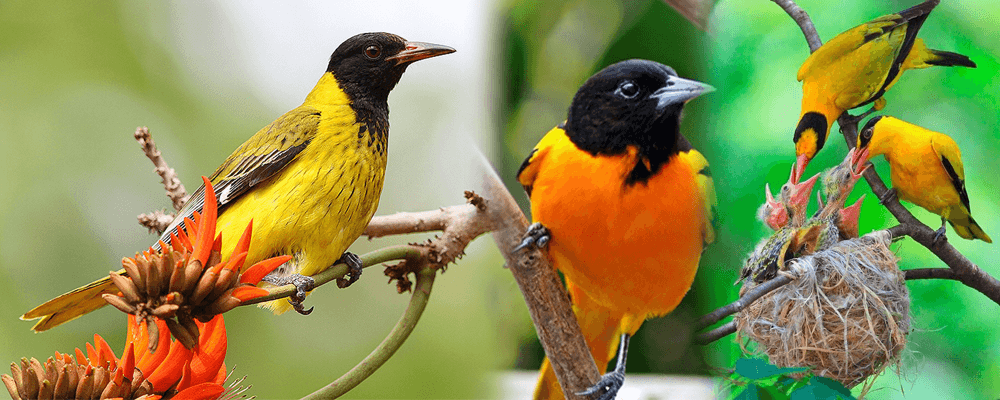
If you’re into birds, bring binoculars. There are over 350 species, and 23 of them you won’t find outside the Albertine Rift — like Grauer’s broadbill.
Fruit-eaters hit the Symphonia trees when they’re in season. Down in the swampy spots, turacos and crimsonwings flash through the ferns and orchids. It’s a big reason why birders put Uganda on their list.
It’s not just gorillas and birds. Elephants move through, chimpanzees call from the canopy, blue monkeys chatter, and duikers slip through the brush.
Add 120+ other mammals, 202 kinds of butterflies, plus reptiles and moths, and the place feels busy. The trees are the backbone — they feed, hide, and house pretty much everything you see.
The indigenous Batwa, evicted in 1991, share forest knowledge through cultural experiences, demonstrating traditional uses of plants for medicine and tools.
Things to Do in Bwindi Impenetrable Forest
Uganda gorilla permits ($800) allow tracking habituated groups in the dense vegetation of the Bwindi NP. Hike 2–8 hours through montane forests, observing gorillas eating tree leaves, which is quite a rewarding but strenuous activity that offers perfect opportunities to see the plant life as well.
Spot endemics on trails like Munyaga River; 350+ species in diverse habitats from lowland to swamps. Best done in the dry season, this activity gives tourists a better overview of the tree species in Bwindi NP.
Join Batwa guides for dances, hunting demos, and plant lore; learn medicinal uses of Prunus. Supports community activities during this activity.
Spend 4 hours with semi-habituated groups of the mountain gorillas with more intimate and closer views of their tree-foraging behaviors in Bwindi NP. This activity is limited to permits, which cost $1,500 per permit per person.
Guided trails like Bamboo or Waterfall trails allow visitors to explore zones of the Impenetrable forest, identifying trees, ferns, orchids, and panoramic views while on Uganda safaris.
Where To Stay in Bwindi Forest When Exploring the Tree Species?
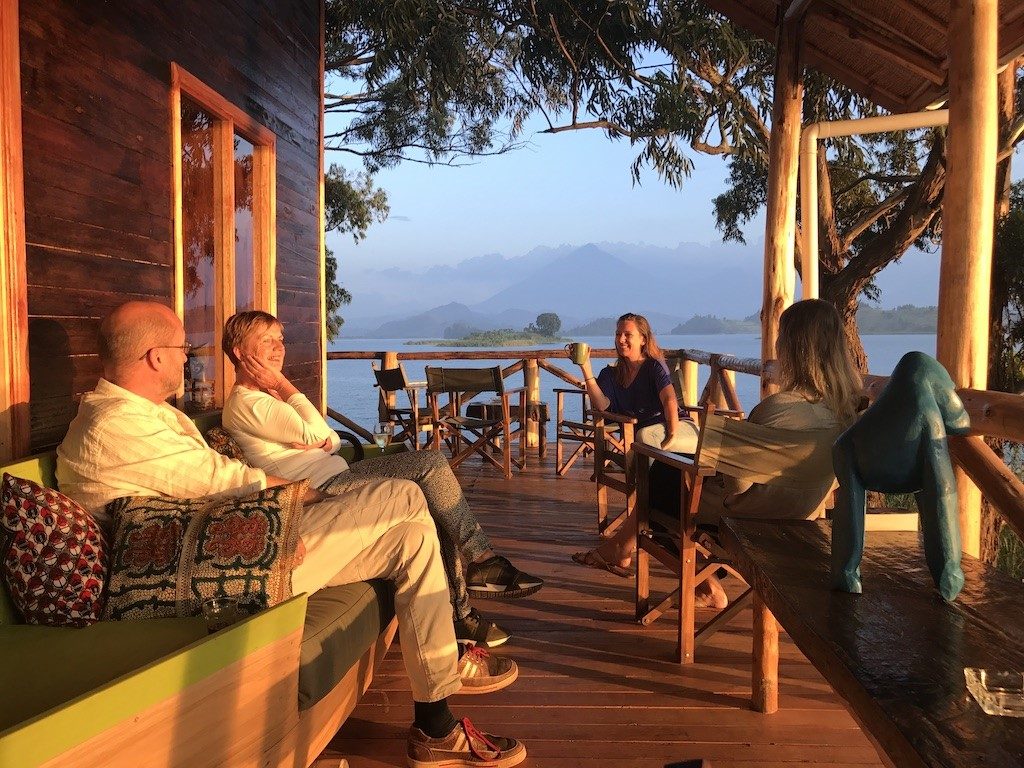
Where you sleep depends on which part of Bwindi you’re entering. Each sector has its own vibe:
Buhoma: This is the main gate and the easiest to reach. Buhoma Lodge is your luxury-with-a-view option, Sanctuary Gorilla Forest Camp actually has gorillas wander through sometimes, and Mahogany Springs is another solid upscale pick.
Ruhija: Quieter, higher up. Ruhija Gorilla Lodge gets you those cool montane forest views right from your porch.
Rushaga/Nkuringo: In the south. Gorilla Safari Lodge and Clouds Mountain Gorilla Lodge are the high-end favorites — Clouds especially, if you want to splurge.
On a budget? Check out community-run spots like Buhoma Rest Camp. You’ll save cash, and the money stays local.
Heads up: Book early. Like 3–6 months out, especially if you’re coming in dry season. Permits and good lodges go fast, and you don’t want to be scrambling.
Book through the Uganda Wildlife Authority or a trusted tour operator.
Getting to Bwindi Forest NP
You’ve got two real options:
- By road from Kampala: Set aside 8–10 hours. You’ll go via Kabale-Kanungu to Buhoma, or through Mbarara and Ishasha. A 4WD isn’t optional — the roads get rough, especially if it’s rained.
Bonus: stop at the Equator for photos, or detour through Ishasha to see tree-climbing lions.
- By air: Fly from Entebbe to Kihihi or Kisoro airstrip. It’s about an hour in the air, then another 1–2 hours drive to your lodge. Costs more, but saves you a full day of driving.
Best Time to Visit Bwindi to See the Tree Species
If you want the easiest walks and best light for spotting different species, aim for the dry seasons: June–August or December–February.
Trails aren’t slick with mud, so you can actually get into the lowland mahogany stands, the mid-altitude Newtonia patches, and the high montane Podocarpus zones without sliding everywhere. Orchids and ferns are still blooming from the rains.
You can go in the wet months — March–May and September–November. The forest is insanely green and lush then.
But the trails turn to peanut butter and leeches come out. If you’re okay with mud and don’t mind a tougher trek, it’s doable. Just don’t expect dry boots.
What To Carry when Visiting Bwindi Forest?
Bwindi doesn’t mess around. You’ll thank yourself if you bring:
- Waterproof hiking boots, plus gaiters if you have them
- Long pants and long sleeves — thorns and stinging nettles are real
- A proper rain jacket or poncho. It can pour even in the “dry” season
- Bug spray
- Binoculars and a camera, but turn the flash off
- Water and some snacks — treks can run long
- Gardening gloves. Sounds weird, but grabbing vines on steep slopes saves your hands
- A small daypack
- Sunscreen and a hat — when the sun’s out, it’s strong
- A basic first-aid kit with plasters and antiseptic
Commonly Asked Questions About the Tree Species in Bwindi National Park
- What Types of Tree Species Are Found in Bwindi National Park?
Over 220 species. You’ve got massive lowland mahogany and figs down low, then Podocarpus and Chrysophyllum higher up. Plus 100+ types of ferns. The mix changes as you climb, so every altitude feels different.
- What Are Some of the Notable Tree Species in Bwindi?
Definitely. African brown mahogany — it’s threatened and can grow to 70 meters tall. East African yellowwood goes even taller, up to 80m, and it’s endemic here.
Prunus africana is the one people harvest for medicine.
Symphonia globulifera drops fruit that primates go crazy for.
- What Is the Significance of These Tree Species?
They do everything.
Roots hold the steep hills together so the soil doesn’t wash away.
- They pull carbon out of the air.
- They feed and house gorillas, birds, and everything else.
- They keep rivers flowing for farms downstream.
And yes, some are used for medicine and timber — but only when it’s done sustainably.
- Are There Any Threatened Tree Species in Bwindi?
A few, yeah. African brown mahogany, Prunus africana, because people strip too much bark, and Lovoa swynnertonii are all under pressure. That’s why the park’s protected — to keep them from disappearing.
- Can Visitors Explore the Tree Species in Bwindi?
Absolutely. You’re not just allowed, you’re encouraged. Join a guided nature walk, go birding, or do a gorilla trek.
The guides know their stuff and will point out species in every zone. You’ll learn way more than you would wandering alone.
Bwindi’s trees aren’t just background scenery — they’re the reason the place exists.
They keep the gorillas alive, the rivers running, and the whole ecosystem stitched together.
From the lowland giants to the gnarled montane trees, it’s an ancient, living forest that still feels wild.
If you’re coming, plan ahead. Get your permits early, respect the rules, and take the time to actually look at the forest, not just rush past it to the gorillas.
Bwindi isn’t just a park on a map. It’s one of those rare places that’s been holding it together for thousands of years — and it shows.
Want to visit Bwindi Forest?
Want to visit Bwindi Impenetrable National Park, Uganda's best gorilla trekking destination?
