Home » SUPPORTING LOCAL COMMUNITIES AROUND BWINDI IMPENETRABLE NATIONAL PARK
SUPPORTING LOCAL COMMUNITIES AROUND BWINDI IMPENETRABLE NATIONAL PARK
Are you a brave traveller who wants to go to Bwindi National Park and you are passionate about responsible travel and tourism but you are confused about where to start? In this article we bring to you a full explanation of one of the most sustainable tourism strategies to engage in, supporting local communities around Bwindi Impenetrable National Park!
Bwindi Impenetrable National Park (also known as Bwindi National Park or Bwindi Forest National Park) is a UNESCO World Heritage Site located in the southwestern section of Uganda.
Bwindi Impenetrable Forest National Park is an old rainforest that is home to half of the world’s mountain gorillas and allows tourists to travel across the mountains with them during mountain gorilla trekking excursions.
People from all over the world flock to Uganda to see gorillas. The best news is that projects for community tourism and sustainable tourism are good for the people and towns near Bwindi Impenetrable National Park.
Helping local villages and communities saves the endangered mountain gorillas, keeps culture in the Bwindi NP alive, and pays for community development projects that make life better for the people who live there, provide jobs, and keep the peace between people, the environment, and the forest ecosystem.
So, by traveling and touring responsibly, most visitors help make things better, create jobs, and leave a legacy for future generations.
Here’s a full explanation of what it means to help local communities in Bwindi National Park!
About Bwindi Impenetrable National Park | Where Are the Local Communities Located and Thriving?
In 1991, the Ugandan authorities declared the Bwindi Impenetrable National Park in Uganda to conserve the critically endangered mountain gorillas, birds and the dense Bwindi Forest in the southwest of Uganda.
The Bwindi National Park, which is also a UNESCO World Heritage Site, protects an old, deep rainforest and is home to half of the world’s endangered mountain gorillas, hundreds of bird species, and a diverse forest ecology.
People in the villages in and near Bwindi National Park, in the park’s four gorilla trekking sectors like Rushaga, Nkuringo, Buhoma, and Ruhija, are doing well in many areas.
Many of these indigenous people who reside around the edges of Bwindi Forest National Park depend more and more on Uganda’s tourism industry for jobs.
The money that the tourism sector makes goes toward building roads, providing health care, clean water, and education. This helps many families improve their lives while protecting the natural riches in Bwindi Impenetrable National Park.
Bwindi National Park Local Communities | Who Lives Near Bwindi Forest National Park?
The Bakiga and Batwa communities are the main ones that live near Bwindi National Park.
Big Bakiga People Populations
The Bakiga people are one of the major ethnic groups in the vicinity of Bwindi Impenetrable National Park. They have a good farming tradition, and they are very good at it. On the terraced hills around the park they grow food such as coffee, bananas and maize which they eat and also sell to get money for their daily needs.
The Bakiga people are in large numbers and they have been able to maintain their rich cultural heritage alive thru music, traditional dances, storytelling and preparing traditional delicacies.
In Uganda cultural excursions in Uganda Bakiga communities give authentic safari experiences of rural living to visitors thru farm visits and cultural encounters.
This means direct income for local people, encourages local women artisans and creates positive relations between communities and park authorities for a sustainable future.
The Batwa Pygmies or People

The Batwa people, sometimes termed the first people or original inhabitants of Bwindi Forest National Park, were once hunter-gatherers in the rain forest. They depended on the Bwindi forest for their food, medicine, shelter and spiritual connection.
For millennia the Batwa pygmies lived in harmony with nature and wildlife in Bwindi Forest National Park.
In 1991, the local government of Uganda declared the Bwindi territory to be Bwindi Impenetrable National Park and thereafter they were cruelly removed. After that it was hard to access to the park and many had to leave their residences.
Today, the Batwa community people are very active in community tourism by giving the tourists the opportunity to experience their distinctive culture, hunting tactics, traditional music, dance and drama, and knowledge of old woods to tourists interested in gaining or learning about the Batwa culture.
These safari activities help the Batwa earn money, regain their dignity, keep their traditions alive and help safeguard gorillas.
Important Projects to Help People Who Live Near Bwindi Impenetrable National Park
Community-Based Tourism (CBT) or Cultural & Community Tourism Initiatives
TRAVELLING IN THE COMMUNITY WITH THE BAKIGA
Uganda tours give an insight into the life of the Bakiga people in the country through tours of the culture and community of the Bakiga people. Visitors tour the coffee plantations, observe the plucking, pounding and grinding of coffee beans by hand on a stone and sample coffee grown in the area.
On a Bakiga trip, other things to do are see banana farms, learn how to create traditional banana gin and help to cook native meals like millet grinding with village women. On cultural excursions in Uganda, individuals tell the stories of Bakiga history and traditions.
These activities provide revenue directly to families and promote the continuation of Bakiga traditional traditions.
BATWA CULTURAL EXPERIENCE, OR BATWA COMMUNITY TOUR
The Batwa tour or cultural experience lets visitors really meet the Batwa people during Uganda safaris.
Tourists learn how to hunt in the old way how the Batwa used to do it, how to gather honey, how to make fires with sticks, and how to use wild herbs for medicine.
Chanting, telling stories, playing traditional music, and dancing greet tourists and bring their culture to life.
These important connections bring in money for the people in the community, help keep the Batwa’s unique culture alive, and provide this group of people, who have been ignored for a long time, a sense of dignity. They also connect visitors with the original forest residents.
WALKS IN THE VILLAGE
Uganda culture trips to Bwindi National Park see the villages with their humble farms, traditional dwellings and workshops of the indigenous artisans of the Bakiga and the Batwa.
These brief, interactive village tours in the towns and villages surrounding Bwindi National Park create jobs, aid local craftspeople (particularly women) and foster meaningful cultural interactions while keeping money in the communities around Bwindi Forest National Park.
Furthermore, on these excursions guests learn about the everyday lives of the Bakiga and Batwa, watch the creation of traditional crafts from scratch (particularly woven baskets, ceramics, mats and beadwork) and purchase handmade presents directly from community members.
COMMUNITY PROJECTS
Community projects include local cooperatives running local craft shops, cultural performance organizations, community-owned transit systems, and small-scale tourism firms.
These programs are run by local groups, tour operators and the indigenous people themselves. They create jobs, build skills and ensure the money generated from tourism has a lasting and positive impact on the community.
The money produced from these tourism activities and efforts goes to items that serve the community like corn mills, water projects, building schools, health projects and helping people receive an education.
Gorilla Tourism: A Route to Job Creation and Economic Development
The main source of income for those living near Bwindi National Park is tourism with gorillas, commonly known as trekking with mountain gorillas or mountain gorilla trekking.
Tourists pay for Uganda gorilla permits to see Uganda’s gorillas, hotel facilities or places to stay and other amenities. This produces a lot of work for the locals as guides, porters, rangers and human staff in lodges, restaurants and transportation services.
Revenue sharing programs and direct expenditure of money serves to alleviate poverty, increase the influence of women and young people and pays for improvements to the infrastructure in the villages surrounding Bwindi Impenetrable National Park. It also reduces the pressure on forest resources and creates resilience and is sustainable.
Awareness Raising Activities, Conservation Education and Sustainable Methods
People visiting Bwindi Impenetrable National Park and even those living in and around the park especially kids and teens learn about the importance of conserving endangered mountain gorillas, beautiful bird species and the whole forest environment thru conservation education programs and initiatives.
It is also worth noting that many former poachers are now working as rangers or doing other things like beekeeping in the Bwindi Forest NP to get most former poachers’ minds off the horrific poaching crimes.
Continuous conservation operations in Bwindi NP promote sustainable behaviours, increase the awareness about environment, reduce poaching and align community interest with longterm goals of gorilla conservation and responsible tourism.
Tourism Revenue Sharing (TRS)
The Uganda Wildlife Authority, which manages all national park activities in Bwindi NP, including gorilla trekking tours, gives 20% of the money it makes from Bwindi Forest National Park (from admission fees) and gorilla permits to nearby communities living around the park areas.
The local people really need these schools, health clinics, clean water boreholes, roads, and community centers that these monies help build which means that this direct donation makes life better for the families of the Batwa and Bakiga, encourages others in the area to support conservation, especially of the gorillas, and helps lower the number of conflicts between people and animals near Bwindi National Park.
Buying Crafts to Help the Economy
Buying local products, such as wood carvings, finely woven baskets, bead jewelry, and traditional attire, gives local craftsmen, mainly women in and around the Bwindi Impenetrable National Park, money right away.
These sales from the wood carvings, finely woven baskets, and bead jewelry directly help keep ancient skills alive, keep cultural knowledge alive, and make sure that money goes directly to households, which helps the local economy around the park.
Employment Opportunities for Residents
Community tourism allows the local people of the area to have a regular income as park rangers, gorilla trekking guides, eco resort workers, drivers and cooks for visitors coming to the country on safaris and these people are the Bakiga and Batwa people who live in the area.
These vocations provide these local people with a regular income, enable them acquire new skills and empower them particularly the youth and women. They also offer long-term alternatives to traditional forest-based livelihoods.
Promoting Sustainable Ways To Make a Living (Like Beekeeping Projects)
In parishes surrounding Bwindi National Park, like Nteko and Rubuguri, beekeeping operations give people another way to make money by making and selling honey, especially to fellow locals, and tourists visiting during the cultural tours.
Beekeeping and other training programs help people learn how to do things in a way that doesn’t hurt the environment, which reduces conflict between people and wildlife, makes people less dependent on Bwindi Forest resources, and gives people in the community jobs that are good for the environment.
Funding Community Development Initiatives
The money from tourism especially from Uganda gorilla trekking and other safari activities done in Bwindi National Park during safaris in Uganda pays for a lot of community development projects like building schools, clinics and clean water systems and businesses that make money like craft centres and maize mills.
These community development projects are reinvested directly into surrounding Batwa and Bakiga communities to help them flourish, decrease poverty and improve their infrastructure and quality of life.
Encouraging Social Enterprises (e.g. Ride for a Woman)
Social enterprises and programs like Ride 4 a Woman, combine bike-based transportation, events, artisan sales and job training to provide local women more agency and skills and opportunity to improve their life.
These fantastic projects offer a method for women and their families in the areas surrounding Bwindi National Park to make money, to build their self-esteem and to give them access to microcredit channels or chances.
List of the cooperatives, activities, groups, partners, and lodges that help communities near Bwindi Impenetrable National Park
What to do in Bwindi National Park for Visitors
- Batwa tour / Batwa culture experience
- Buhoma Community Village Walk
- Ride 4 A Woman Mountain Bike
- Walks in the village of Bakiga
- Buying Crafts
- Performances in the Community
- Visit to beekeeping farms
- Beekeeping and Reformed Poacher Walks, and coffee roasters.
Cooperatives, Villages and Centres
- Buhoma Community Development Association (BCDA)
- Nkuringo Conservation and Development Foundation (NCCDF)
- Ride 4 a Woman
- Community project – Buniga Forest Nature Walk
- Nkuringo Cultural Centre (NCC)
Partner Organizations and Projects Working Together
- Uganda Wildlife Authority (UWA)
- International Gorilla Conservation Program (IGCP)
- Conservation Thru Public Health (CTPH)
- Bwindi Mgahinga Conservation Trust (BMCT)
Partners and Donors Who Give Money
- USAID (United States Agency for International Development)
- Support to the Vanishing Treasures Project in Nkuringo from the Government of the Grand Duchy of Luxembourg, UNEP and GRASP
- EU/IUCN Save Our Species & BIOPAMA
- Various Donors thru IGCP/UWA
Accommodations and Tour Operator Companies
- Buhoma Community Haven Lodge/Rest Camp.
- Sanctuary Gorilla Forest Camp
- Clouds Mountain Gorilla Lodge
- Nkuringo Bwindi Gorilla Lodge
- Buhoma Lodge
- Prime Safaris and Tours Ltd
All the above are good examples of well-known personalities working in tourism initiatives, conservation activities and sustainable tourism that benefit the communities around Bwindi Impenetrable National Park. They involve people directly so they make money, protect traditional history, fund community development programs and help endangered gorillas.
How Different Stakeholders Support Local Communities Around Bwindi National Park
Role of Tourists | How Can You Contribute as a Tourist?
- Go out with the Batwa and Bakiga communities
- Stay in a community-run hostel, homestay, guesthouse or community lodge.
- Be respectful of the local people, obey the rules and spread the word about responsible travel.
- Buy handicrafts, souvenirs, baskets, jewellery and clothes from the local ladies and artisans.
- Employ local guides, porters and rangers for gorilla trekking.
- Buy food, coffee and other products from local vendors to help support farmers and eateries.
How Does the Government Serve or Assist Communities?
- Uganda Wildlife Authority (UWA) implements programs that share tourism funds.
- Gorilla permit and park fees contribute to development efforts in the area.
- Helps build things like roads, schools and health facilities.
- Collaborate with others to end poaching and save the environment
- Promotes community engagement in environmental friendly processes and park care.
How Partners and Donors Support Local Communities
- Organize community initiatives and training programs to enable people to learn new skills.
- Offer financing to those who want to start sustainable businesses such as beekeeping and crafts.
- Work with communities and park officials.
- Promote social enterprises empowering women and youth in the local area.
- Education of conservation acts and health and hygiene.
The Role of Local Communities in Bwindi’s Conservation Story
The people living around Bwindi are of fundamental importance to the success of gorilla conservation.
- They border the Bwindi forest and help to reduce poaching, keep habitats healthy and relieve demand on natural resources.
- By being part of tourism, they provide an incentive to conserve the mountain gorillas and the forest ecology.
- Communities may patrol, share information and encourage sustainable tourism to ensure harmony between people and animals for generations to come.
Their help is crucial to ensure the long-term protection of Bwindi National Park and its biodiversity.
How Community Tourism Benefits People Living Near Bwindi Impenetrable National Park
- There are lots of jobs created from tourism for women and young people in the area such homestay operators, guides, entertainers, craftspeople, porters and other jobs that pay well and help keep people from being unemployed in rural areas.
- When travellers spend money on food, lodging, transportation, and crafts, they are helping the local economy and family and community businesses.
- Revenue schemes that allocate a percentage of gorilla tourism fees to community needs directly benefit many households.
- The money from the gorilla trekking is utilized to create mills, clinics and other facilities which improve lives and have a long lasting influence.
- Training on beekeeping practices teaches individuals how to do this in an environmentally friendly manner, provides an additional source of income and provides critical skills.
- Crafts persons earn a living by selling their work and keep traditions alive by teaching people to make such things as jewellery and baskets.
- Traditional music and dance are performed to preserve history, entertain tourists, and generate income.
- Old skills are kept alive among local women and artisans thru the selling of crafts and souvenirs.
- The Batwa carry on their culture to children and future generations thru storytelling, giving hunting skills and medical expertise.
- Villages receive economic incentives to safeguard gorillas and not poach them through tourism.
- Alternative livelihoods reduce the pressure on forest resources such as firewood and hunting.
- Environmental awareness programs that make people worry about the environment and travel long-term in a good way.
- The money is used to establish schools, offer scholarships and encourage children to study.
- More money equals more health services, more clinics and more sanitation programs.
- These Projects provide people with clean water and adequate toilet facilities.
- Community tourism empowers the Batwa through cultural experiences, crafts, guiding and financed initiatives. It gives them back their pride, gives them money and improves their health.
- Sharing money and involving individuals in the community helps to prevent conflict, encourages cooperation and builds trust for conservation programs that include lots of people.
Problems that Local Communities Face and How to Move Forward
Some of the problems that local communities of the Batwa and Bakiga face are conflicts between people and animals, unfair distribution of benefits, extreme poverty, limited access to jobs, and the effects of climate change.
To avert all these issues and problems, responsible authorities and well-wishers need to take the next stages which are to get the Ugandan government, local groups, and tourists to work together more closely.
This is important for getting more money for the skill-building programs, making sure that everyone gets a fair share of the money, and giving local people the tools they need to grow and be strong.
Visitors can also help improve people’s lives and protect cultures by selecting responsible travel, arranging ethical tours, buying local goods, and following the rules.
More Information About Community-Based Tours in Bwindi Impenetrable National Park
When to Visit Bwindi Impenetrable National Park
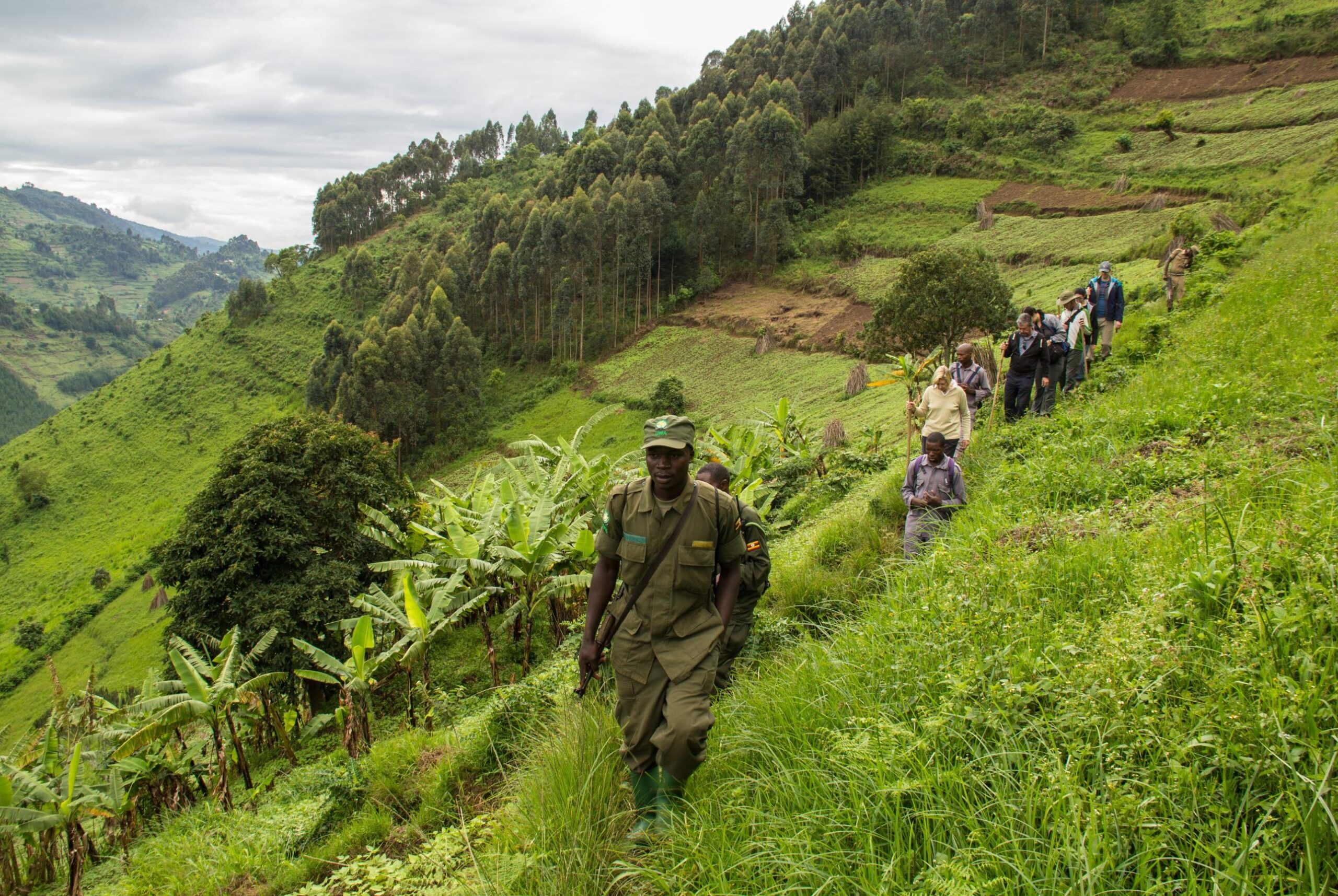
The best time to visit Bwindi Impenetrable National Park is during the dry seasons of June to August and December to February. The dry or hot months offer clear views, less slippery and drier terrain and better visibility for gorilla trekking and animal watching.
You can also visit Bwindi National Park during the rainy seasons (March-May and September-November) when the scenery is lush but the pathways are muddier and there is a larger probability of rain. The good news is that this time of year is ideal for watching migratory birds and for staying in cheaper or lower cost resorts.
Book early during busy periods to avoid disappointment.
How To Go to Bwindi National Park?
Most travellers may access to Bwindi National Park by vehicle from Kampala which is about (8-10 hours, via Mbarara or Kabale roads, ~460-520 km, best with 4WD). Domestic flights are available from Entebbe/Kajjansi to Kihihi airstrip (for Buhoma/Ruhija) or Kisoro airstrips (for Rushaga/Nkuringo). It’s a 1.5 hour flight and 1-2 hour drive. From Kigali, Rwanda drive for around five hours thru the border and then take a bus to the park.
Bwindi National Park Community-Based Safaris & Cultural Tours Average Prices
Some of the things you will have to spend on these tours include .
- Park Entry Fees (24-hr): $40 for adults and $20 for children
- Batwa Tour or Community Tour: $30-$40 per person.
- Uganda Gorilla Permit: US$ 800 per person (for foreign non-residents); US$ 700 per person (for foreign residents).
- A porter will cost between $15 and $25 a day.
- Extra village walks or cultural experiences: $20-$50.
Other Attractions in Bwindi National Park
- Mountain Gorillas
- Other primates
- Other Wildlife Species
- Over 350 bird species
- Butterfly species
- Bwindi Forest and its Unique Flora
Other Things to Do in Bwindi National Park
- Mountain Gorilla Trekking
- Bird watching
- Guided nature walks
- Butterfly tours.
- Gorilla Habituation Experiences
- Cultural Experiences
Safari Checklist for Community-Based Tours in Bwindi Impenetrable Forest National Park in Uganda
- Strong hiking boots
- A poncho or rain jacket
- A bug spray.
- A compact daypack that is waterproof
- A camera
- A walking stick
- Lunch in a bag
- Copies of gorilla permits
- Shirts and pants with long sleeves
- A hat
- Sunscreen
- Birding Binoculars for birdwatching.
- A drinking water bottle
- Snacks that give you energy
Where to Stay in Bwindi Impenetrable National Park During Uganda Community-Based Safaris
While going on these community-based tours, you can stay at some of the following places to stay.
| Luxury Lodges |
|---|
| Clouds Mountain Gorilla Lodge, Sanctuary Gorilla Forest Camp, Mahogany Springs, Buhoma Lodge, Volcanoes Bwindi Lodge, and Nkuringo Bwindi Gorilla Lodge. |
| Midrange Lodges |
|---|
| Engagi Lodge, Rushaga Gorilla Camp, Gorilla Mist Camp, Silverback Lodge, Ruhija Gorilla Safari Lodge, Lake Kitandara Bwindi Camp, and more. |
| Budget Lodges |
|---|
| Buhoma Community Rest Camp, Gorilla Leisure Lodge, budget community guesthouses, Gorilla Valley Lodge, and simple eco-camps. |
Other Uganda National Parks to Visit for Community-Based Tourism
- Queen Elizabeth National Park
- Mgahinga Gorilla National Park
- Lake Mburo National Park
- Murchison Falls National Park
- Mount Elgon National Park
- Kibale National Park
- Rwenzori Mountains National Park
Uganda Tour Agencies Offering Community-Based Tours to Bwindi Forest National Park
1) Prime Safaris and Tours Ltd
These well-known Uganda travel firms include community tourism in their Uganda safari packages, which helps communities.
Frequently Asked Questions on Helping People Living Around Bwindi National Park
1. Is Gorilla Trekking Dangerous?
No, gorilla trekking is very safe as long as trained rangers are in charge and certain protocols are followed. This is because endangered gorillas are gentle when they are treated with respect.
2. Is Gorilla Trekking Worth It?
Yes, gorilla trekking is worth it as you get to see the endangered mountain gorillas face to face and contribute to the conservation of the gorillas and the people that live there.
3. What Are the People Who Live in Bwindi Impenetrable National Park?
The people who dwell around Bwindi National Park are mostly Bakiga and Batwa people who have lived there for centuries.
4. What Is Community Tourism, And Why Is It Important in Bwindi?
Community tourism in Bwindi National Park brings foreign tourists into contact with local people such as the Bakiga and the Batwa. This contact is for immediate gain, but also to help protect culture and to help protect gorillas.
Finally, it is important mentioning community tourism which benefits the people living near Bwindi Impenetrable National Park. It improves their livelihoods, helps conserve their culture, contributes to gorilla conservation and provides tourists with lifetime memories. If you want to make a change that counts, travel ethically.
Call or email us today and we will help you arrange the best cultural tour of Uganda that will make an impact in the community for years to come.
Want to visit Bwindi Forest?
Want to visit Bwindi Impenetrable National Park, Uganda's best gorilla trekking destination?
